
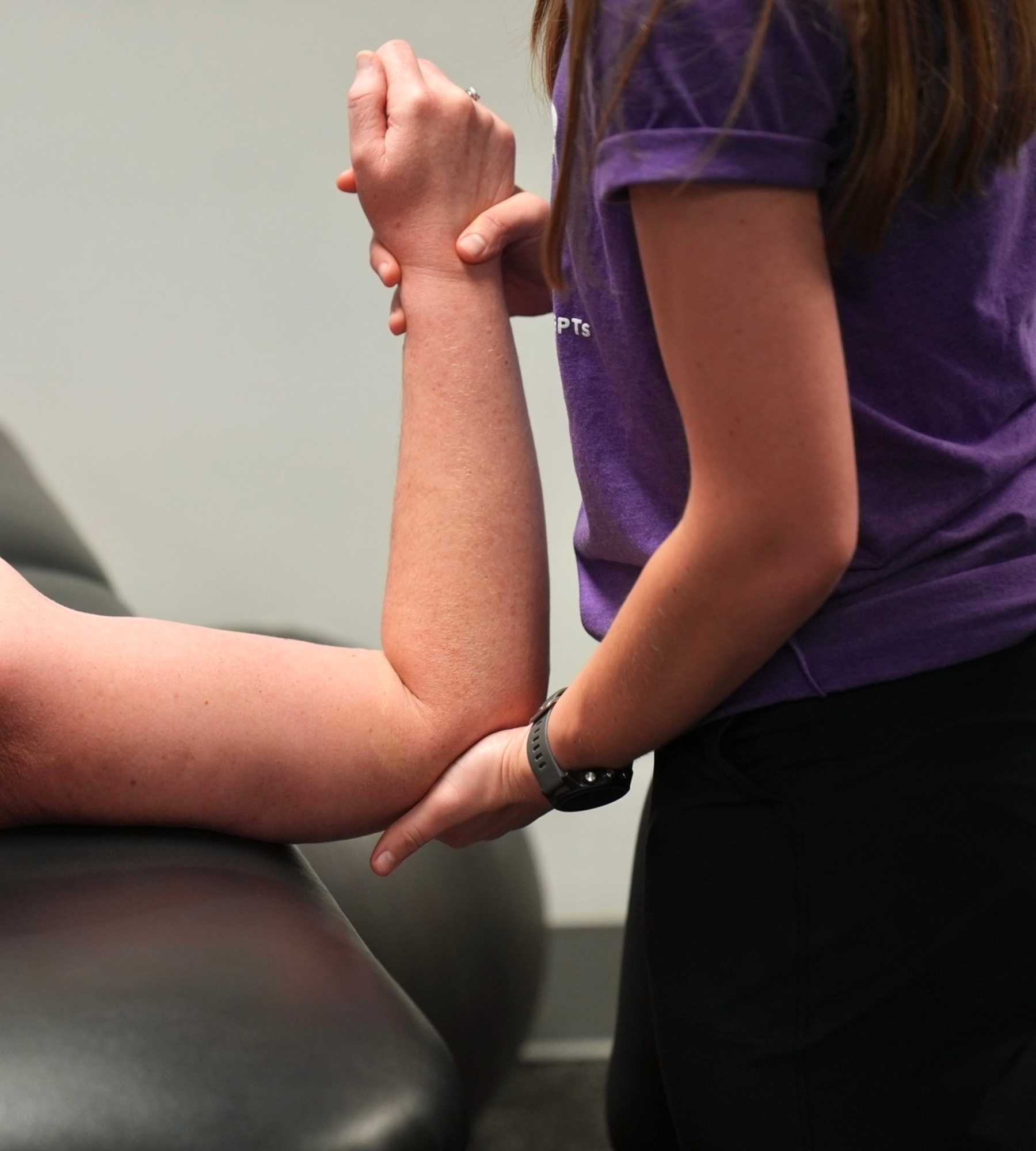
 Many patients mistake the word recuperation for passive waiting. They view the time following a procedure as a period of stillness, where the calendar does the work. However, in the world of sports rehabilitation, surgery merely repairs the anatomy whereas physical therapy restores the athlete.
The true recuperation time for rotator cuff surgery is an active, strategic window. It is the time where we bridge the gap between a successful surgical repair and a return to the mound, the weight room, or the job site. At BYoung Physical Therapy, we view this period not as time off, but as a disciplined process of rebuilding movement patterns from the ground up.
The Foundation: Scapular Rhythm and Joint Health
A primary focus during the recuperation time for rotator cuff surgery is the behavior of the scapula (shoulder blade). The rotator cuff muscles originate on the scapula; if the shoulder blade does not move in a synchronized rhythm with the humerus, the newly repaired tendons are subjected to unnecessary stress.
We prioritize restoring scapular stability early in the process. By ensuring the foundation of the shoulder is secure, we prevent common post-operative compensations, such as shrugging during overhead movements. This clinical focus ensures that when you are cleared for higher-level activity, your shoulder mechanics are optimized for long-term health rather than just temporary relief.
The Kinetic Chain: Maintaining the Athlete in the Sling
While your arm may be immobilized in a sling during the initial recuperation time for rotator cuff surgery, the rest of your body should not be stagnant. We utilize a kinetic chain approach, recognizing that power for overhead movement starts in the lower half.
During your sessions, we develop strategies to maintain core stability and lower-body strength without compromising the surgical site. This prevents total-body deconditioning and ensures that once the shoulder is ready to load, the “engine” of your body—your hips and trunk—is ready to support it. A strategic recuperation time for rotator cuff surgery addresses the athlete as a whole, not a single joint in isolation.
Clinical Interventions: Dry Needling and Neuromuscular Control
Managing the soft tissue environment is critical for a comfortable and efficient recovery. During the recuperation time for rotator cuff surgery, patients often experience muscle guarding—where the surrounding muscles, like the upper trapezius or levator scapulae, become overactive to protect the area.
We often integrate dry needling therapy into the rehab process. This technique helps to desensitize irritated tissues, manage muscle guarding, and improve local blood flow to the healing environment. By addressing these secondary soft tissue issues, we create a larger window for pain-free movement, allowing you to progress through your milestones with greater confidence.
Expert-Led Recovery
The most significant factor in your recuperation time for rotator cuff surgery is the quality of care you receive. At BYoung Physical Therapy, we reject the high-volume model where patients are handed off to techs or assistants. Every session is conducted one-on-one with a Doctor of Physical Therapy, ensuring every repetition is monitored for clinical precision and every adjustment to your plan is based on real-time biomechanical data.
Navigating the recuperation time for rotator cuff surgery requires a plan that respects biological healing while pushing for functional excellence. If you are preparing for surgery or are currently in the recovery phase, don’t leave your results to chance. Contact us today to schedule a comprehensive evaluation and start your strategic road to recovery.