
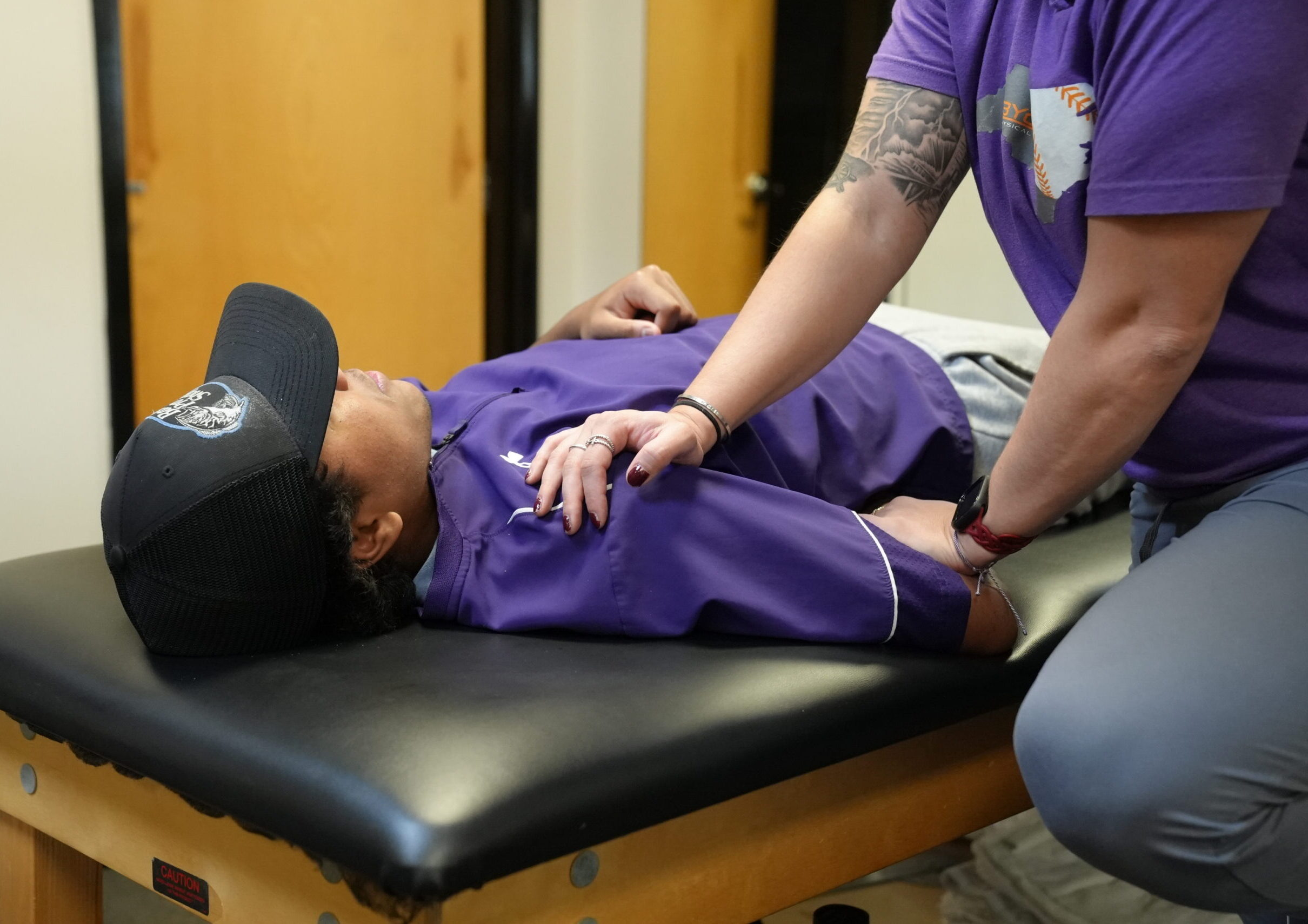
 In the world of sports rehabilitation—particularly for baseball players and overhead athletes—few diagnoses carry as much weight as a SLAP tear.
A Superior Labrum, Anterior to Posterior (SLAP) tear involves the cartilage (labrum) that lines your shoulder socket. This structure acts as both a cushion for the humerus and an anchor point for the long head of the biceps tendon. When this is compromised, the result is deep shoulder pain, instability, and a significant loss of power during functional movements like throwing or overhead lifting.
Our approach to SLAP tear PT is rooted in clinical strategy: evaluation first. Whether your goal is to avoid the operating room or to ensure the best possible outcome from a necessary procedure, your recovery begins with a biomechanical assessment, not just an MRI.
The Reality of SLAP Tears: Surgery Isn’t Always the Answer
It is a common misconception that a labral tear automatically necessitates surgery. Clinical research indicates that many patients—including high-level athletes—can return to their sport through high-quality, evidence-based SLAP tear PT.
Scenario 1: Preventing Surgery
Many SLAP tears (specifically Type 1 and many Type 2 tears) respond exceptionally well to a structured rehabilitation program. We focus on:
- Rotator Cuff Strengthening: improving the dynamic stability of the joint to offload the stressed labrum
- Scapular Mechanics: ensuring your shoulder blade moves efficiently to provide a stable base for the arm
- Posterior Capsule Flexibility: addressing stiffness that often contributes to the peel-back mechanism common in throwing injuries
Scenario 2: Strategic Prehabilitation
If the tear is high-grade (Type 3 or 4) or the shoulder remains unstable after conservative efforts, surgery may be the logical next step. However, SLAP tear PT work before surgery is never wasted. Prehabilitation ensures that you enter the operating room with optimal range of motion and muscle activation, which significantly accelerates your post-operative timeline.
How Do You Know It’s Time for Professional Evaluation?
While a dull ache is common, specific clinical red flags suggest your labrum may be compromised:
- Mechanical Symptoms: persistent popping, catching, or grinding deep within the joint
- Loss of Velocity: for baseball players, a sudden, unexplained drop in pitching velocity or dead arm syndrome
- Positional Pain: sharp pain when reaching behind your head or during the late cocking phase of a throw
- Instability: a sensation that the shoulder might pop out during overhead movements
Beyond Generic Exercises
At BYoung Physical Therapy, we don’t believe in one-size-fits-all shoulder protocols. Our specialists in Raleigh, Wake Forest, Cary, and Apex utilize advanced diagnostics and pitching analysis to look at the entire kinetic chain. We don’t just look at the shoulder; we look at how your hips, core, and thoracic spine are contributing to the stress on your labrum.
Our Specialized Toolset Includes:
- Biomechanical Video Analysis: identifies flaws in throwing and pitching mechanics
- Dry Needling: manages secondary muscle guarding and pain
- Manual Therapy: restores joint glide and soft tissue extensibility
Recovery is a Strategy, Not a Guessing Game
SLAP tear PT and recovery is a marathon, not a sprint. It can take 3 to 4 months to see significant functional gains without surgery, and up to a year to fully return to sport following a surgical repair.
The goal of SLAP tear PT is to bridge the gap between medical pathology and athletic performance. We provide the structure, expertise, and clinical reasoning necessary to help you make an informed decision about your health.
If you are experiencing deep shoulder pain or mechanical clicking, stop guessing and form a plan built on biomechanics. Contact us to schedule your evaluation and take the first step toward a strategic recovery.