
Navigating the Road Back: Your Guide to SLAP Tear Surgery Recovery
A superior labrum anterior to posterior (SLAP) tear is a significant disruption for any overhead athlete or active adult. When the fibrocartilaginous rim that deepens your shoulder socket frays or detaches, the entire biomechanical chain of the upper extremity is compromised. While conservative, one-on-one physical therapy is always the initial line of defense, certain high-severity tears require a clinical, operative intervention to restore joint integrity.
Navigating the timeline after SLAP tear surgery demands a structured, evidence-based strategy. At BYoung Physical Therapy, we reject generic protocols. We understand that a successful recovery is built on a deep understanding of shoulder anatomy, precise milestone management, and total-body biomechanics.
Understanding the Anatomy and Mechanics
The glenoid labrum serves as the foundational anchor for shoulder stability, acting to deepen the socket and protect the joint against subluxation (partial dislocation) or full dislocations. A stable shoulder joint is less prone to ligament sprains, muscle strains, and chronic instability. However, the long head of the biceps muscle attaches directly to the top portion of this cartilage, creating a highly vulnerable spot during repetitive, high-velocity deceleration—such as pitching—or heavy overhead lifting. This traction mechanism can peel the labrum away from the bone, resulting in a SLAP tear.
Symptoms commonly include a localized loss of shoulder flexibility, generalized weakness, locking, popping, clicking, or a grinding sensation deep within the joint. SLAP tears are also frequently diagnosed alongside rotator cuff tears—injuries to the primary stabilizing muscles of the shoulder—because both pathologies often stem from the same repetitive lifting or throwing mechanics.
To determine if an athlete requires slap tear surgery, orthopedic surgeons categorize these injuries based on the structural integrity of the labrum and biceps anchor:
- Type 1: The labrum shows wear or fraying but remains firmly attached to the socket. This is common with age and is managed conservatively.
- Type 2: The superior labrum and biceps tendon pull completely away from the glenoid socket. This is the most frequent presentation in clinical sports medicine.
- Type 3: A bucket-handle tear where the labral tissue detaches and physically displaces into the joint space, causing mechanical catching, popping, or clicking.
- Type 4: The tear extends directly through the superior labrum and splits into the fibers of the biceps tendon itself.
While Type 1 and less-severe Type 2 injuries frequently respond well to non-operative physical therapy, Type 3 and Type 4 tears generally necessitate slap tear surgery to mechanically anchor the displaced tissue back to the bone and restore joint stability.
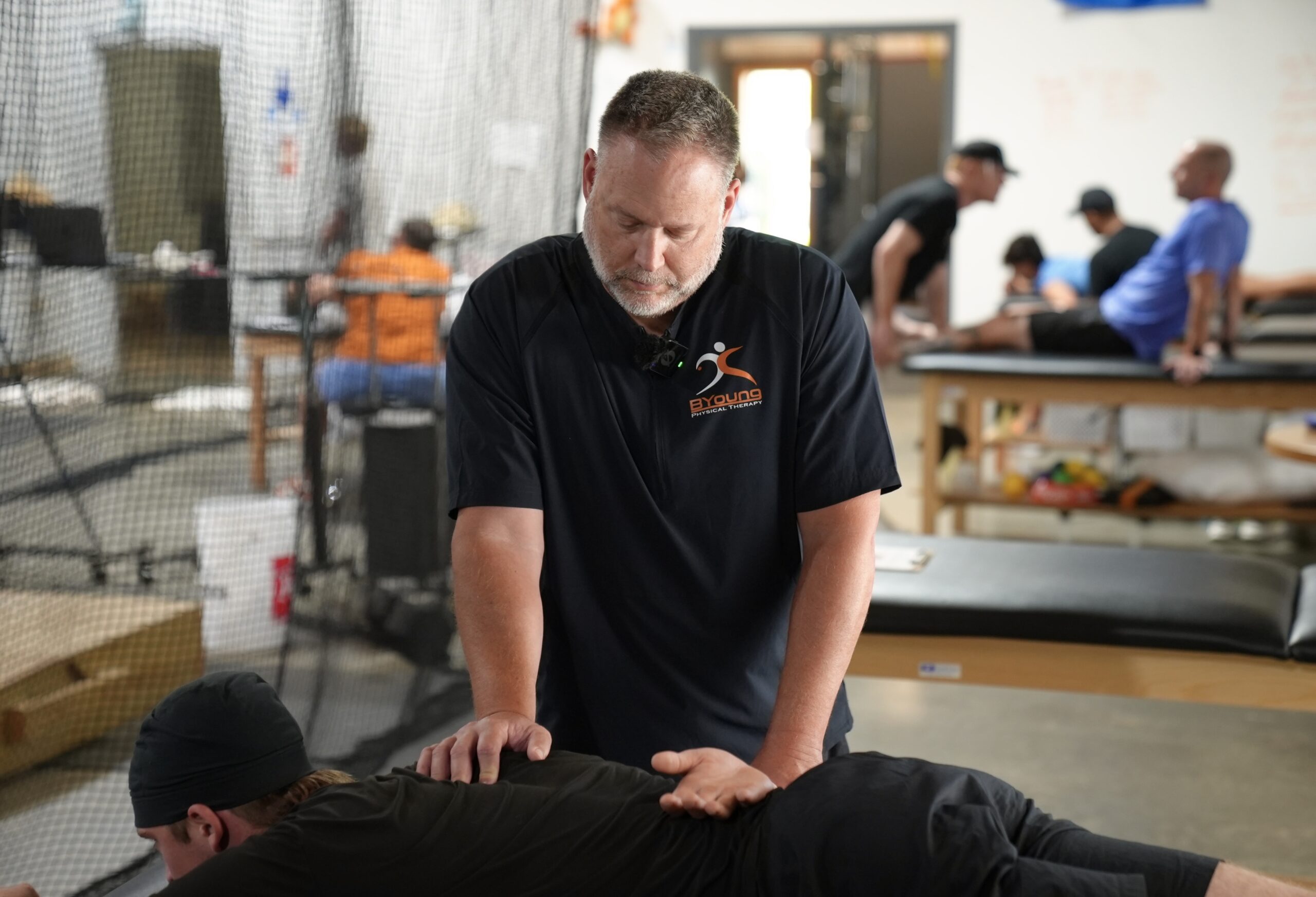
What to Expect Immediately Post-Op
Most procedures addressing a superior labral repair are performed arthroscopically on an outpatient basis. Your orthopedic surgeon utilizes minimally invasive techniques, making small incisions around the shoulder girdle to insert an arthroscope (camera) and specialized instrumentation to minimize soft tissue trauma. In complex scenarios involving concomitant injuries like rotator cuff tears, a mini-open or fully open approach may be utilized to optimize visualization.
Because surgical protocols differ based on the doctor and the specific nature of your tissue repair, your immediate post-operative expectations will be highly tailored. While localized swelling, redness, and mild bleeding are expected, clinical indicators such as excessive warmth, severe localized pain, or shortness of breath require immediate medical follow-up.
To protect the newly anchored graft, you will be placed in a shoulder immobilizer or sling. Adhering to your surgeon’s specific timeline for this sling—which can range from a few days to six weeks—is paramount. Violating these early movement restrictions puts undue stress on the surgical anchors, causing risk of repair failure.
The Phased Protocol of SLAP Tear Surgery Rehabilitation
A successful outcome following SLAP tear surgery yields a 85% to 95% success rate, allowing athletes to return to throwing and overhead sports. However, achieving this benchmark requires strict adherence to a multi-phase, milestone-based rehabilitation protocol.
Rebuilding the Kinetic Chain for a Safe Return to Sport
A common flaw in standard post-operative care is treating the shoulder in isolation. When you undergo SLAP tear surgery, the shoulder is often the victim of biomechanical inefficiencies elsewhere in the body. If your hips lack internal rotation or your core cannot transfer energy efficiently, your shoulder takes on excessive deceleration forces.
Our clinical approach utilizes objective testing, video analysis, and specialized interventions like dry needling to manage soft tissue tone and restore elite mechanics. While daily functional tasks typically return within 3 to 4 months, a comprehensive return to high-level competitive athletics or throwing programs requires a strategic 6 to 12-month trajectory. Patience and mechanical precision are the ultimate determiners of long-term joint health.
Your Strategic Path to Peak Performance Starts Here
Recovering from SLAP tear surgery is a highly technical process that requires clinical expertise, clear milestones, and an athletic mindset. Do not leave your joint health or athletic career to guesswork or generic protocol templates.
Our Doctors of Physical Therapy are ready to build a personalized, one-on-one rehabilitation plan tailored exactly to your unique biomechanics and performance goals. Contact us or schedule your post-operative evaluation and take the first step toward a strong, confident return to the game.